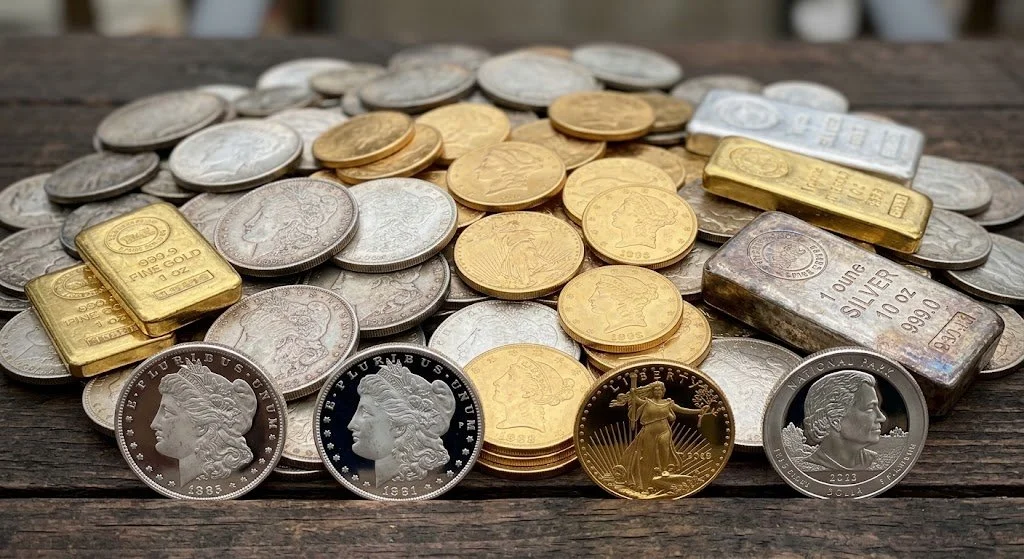
Welcome to your new source of quality coins and bullion!
Discover your next favorite coin here with our fantastic selection of US coins, Foreign coins, and Bullion.

Featured Coins
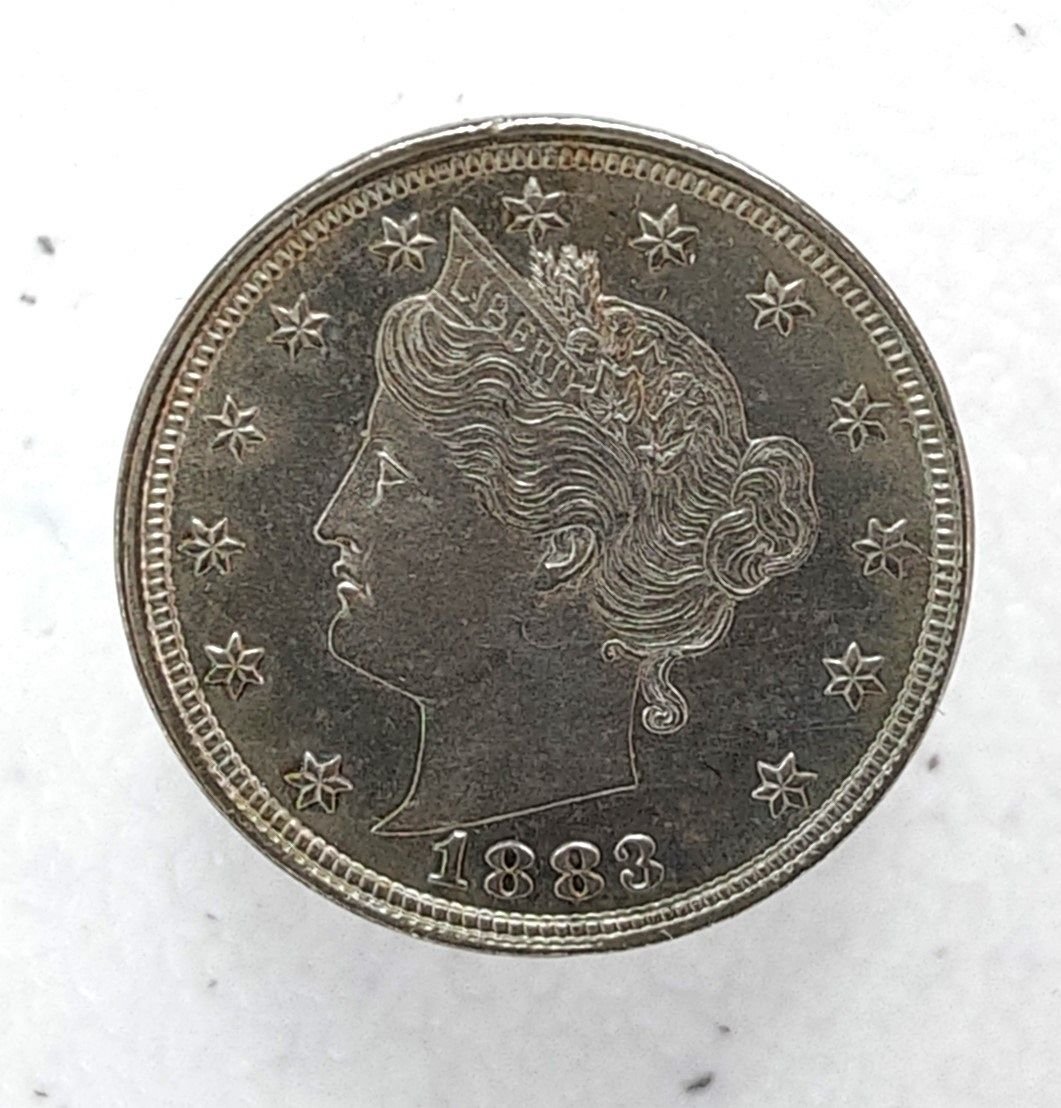
The obverse of the Liberty Nickel features a left-facing portrait of Liberty. She wears a coronet containing the word LIBERTY with wheat and corn woven into her hair. There are thirteen stars surrounding the portrait, with the date below. The reverse design contains the large Roman numeral “V” to denote the denomination. This is surrounded by an agricultural wreath composed of ears of corn, stalks of wheat, and bolls and leaves of cotton. The inscriptions UNITED STATES OF AMERICA and E PLURIBUS UNUM appear surrounding
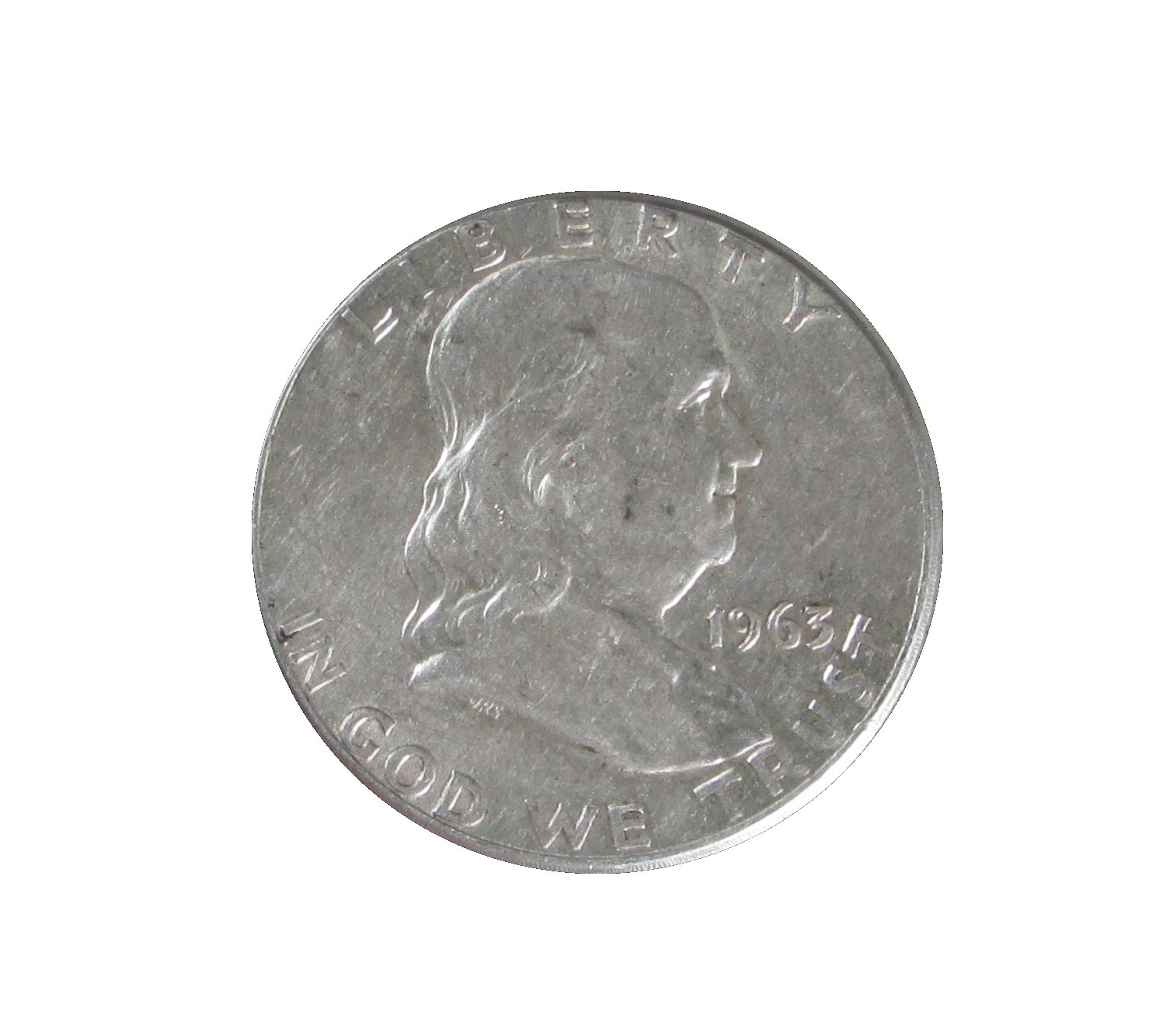
The Franklin Half Dollar was a silver half-dollar coin the United States Mint produced from 1948 to 1963. The coin featured the likeness of founding father Benjamin Franklin on the obverse and the Liberty Bell on the reverse. It was the first circulating half-dollar to feature a historical portrait instead of an allegorical portrait of Liberty.
Photo is example only, the item will look similar (about same grade) to this photo though.
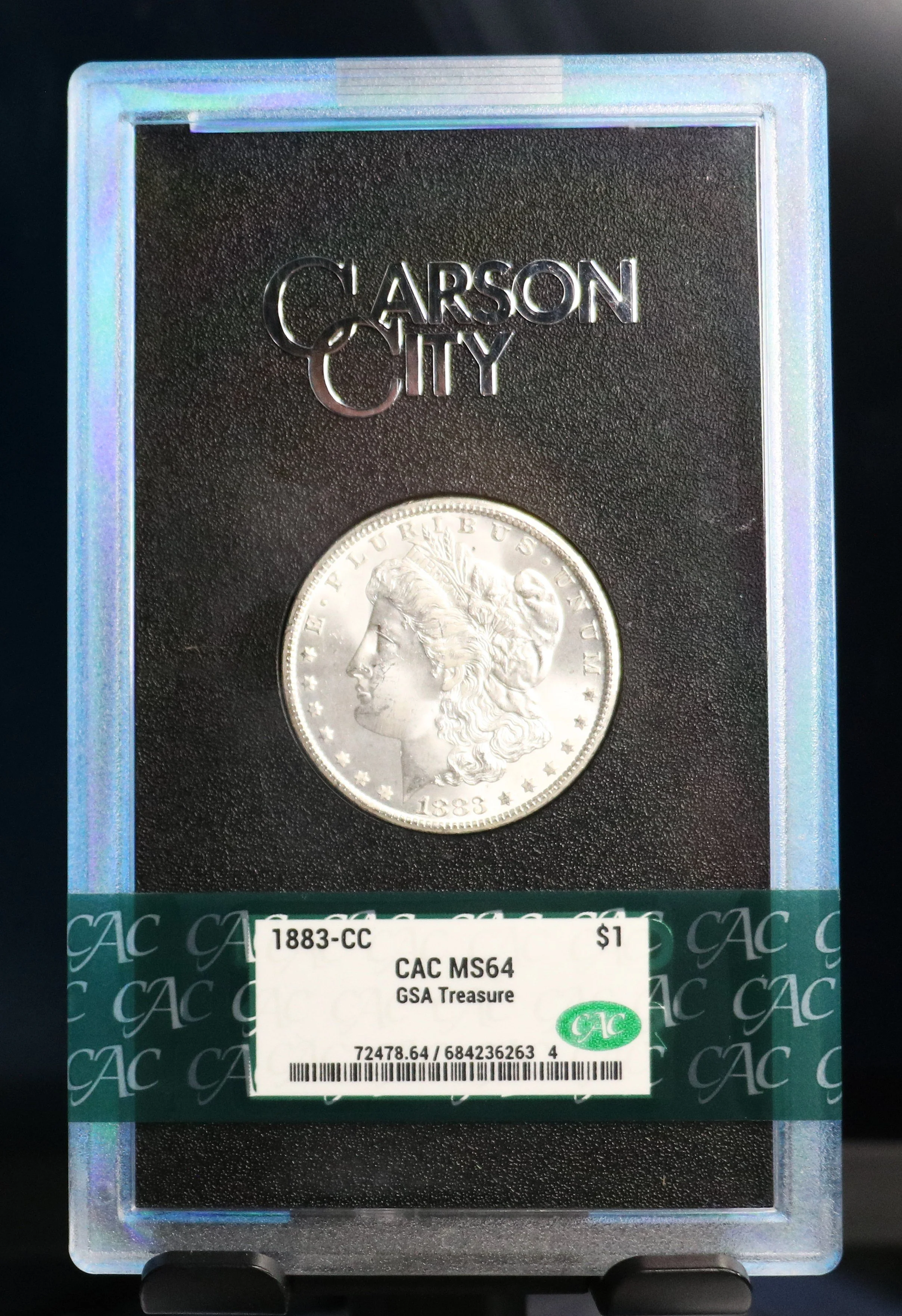
This is a 1883 Carson City mint, Morgan dollar. Graded by CACG at MS64
Minted from 1878 to 1904, then again in 1921, before retiring as America’s most popular coin. Morgan Dollars are called the “King of America’s Coins” for a good reason: they helped the United States grow the western frontier and fueled the engines of American industrialization. During the late 19th Century, the Morgan Dollar became a rallying point in politics between the Eastern Bankers, known as the “Goldbugs,” and the Western Silver Mining interests, dubbed the “Silverites.” They contributed to one of America’s major economic depressions, the Panic of 1893, and became a major political platform in the 1896 and 1900 Presidential elections. The “Gold” or Silver” bimetallism debate over the monetary standard gave the politicians much to argue about.
GSA Morgan dollars are uncirculated Morgan silver dollars discovered in U.S. Treasury vaults and sold to the public by the General Services Administration (GSA) between 1972 and 1980. The vast majority of these coins originated from the Carson City Mint (CC), with approximately 2.9 million pieces released, creating the largest known hoard of Carson City silver dollars.
These coins are distinguished by their original packaging: rigid black plastic holders labeled "Carson City Uncirculated Silver Dollar," often accompanied by a Certificate of Authenticity (COA) and a black presentation box. While most were sold in uncirculated condition, some circulated examples and non-CC dates (such as New Orleans issues) were also included in the sales.
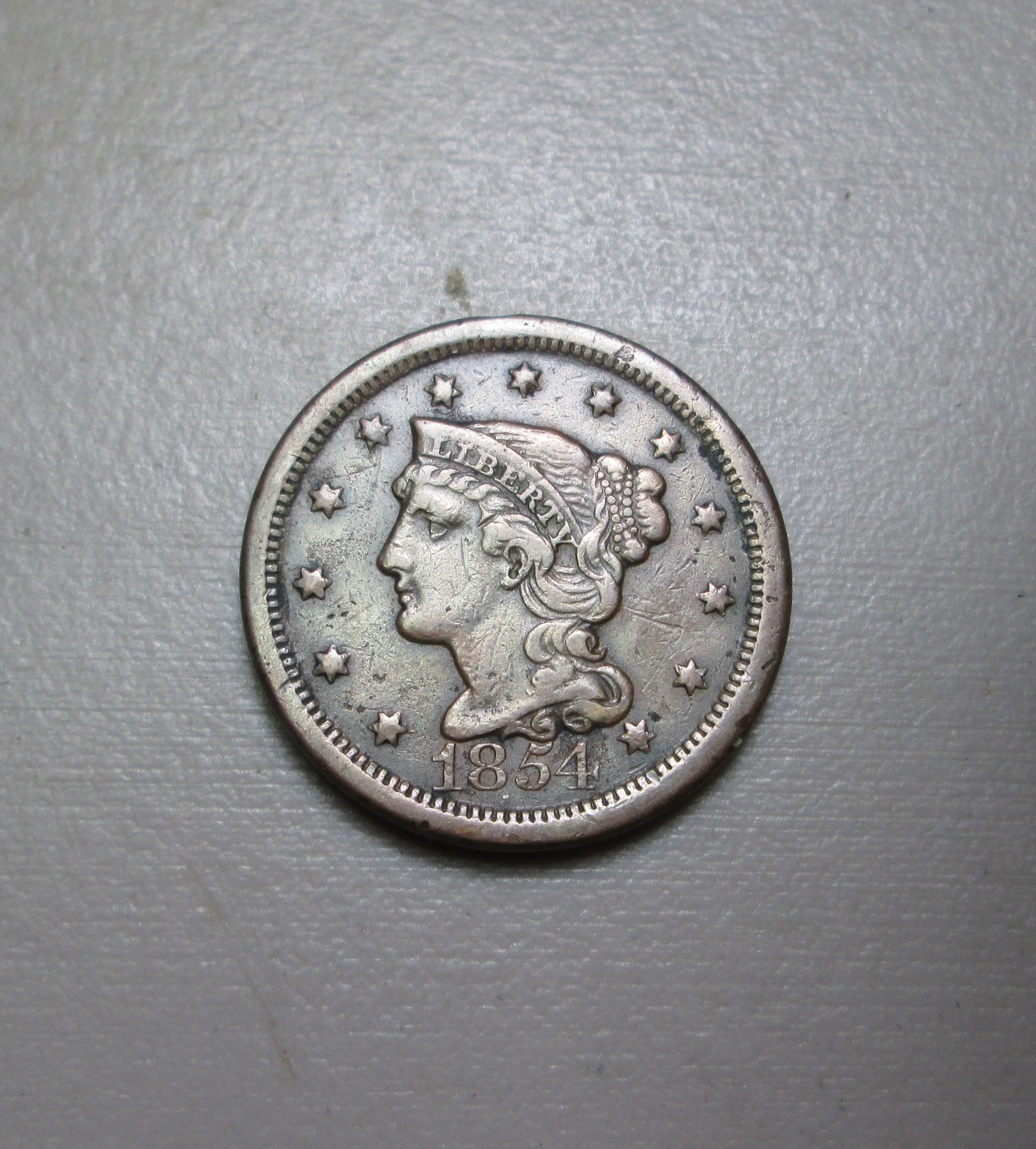
The final large-cent design began in late 1839 as a continuation of designer Christian Gobrecht’s refinements. After a number of adjustments to Liberty’s head through the late 1830s, the final “Petite Head with Braided Hair” design was temporarily set and used for the next four years. In late 1843, an added refinement was made to the features, resulting in the “Mature Head with Braided Hair” design. This design remained through the end of large-cent production. Production through this period was generous and peaked at almost 10 million minted in 1851. Only the last year, 1857, had a mintage below 1 Million (333,546). This design was replaced was a new, smaller coin of copper/nickel composition - the Flying Eagle cent.
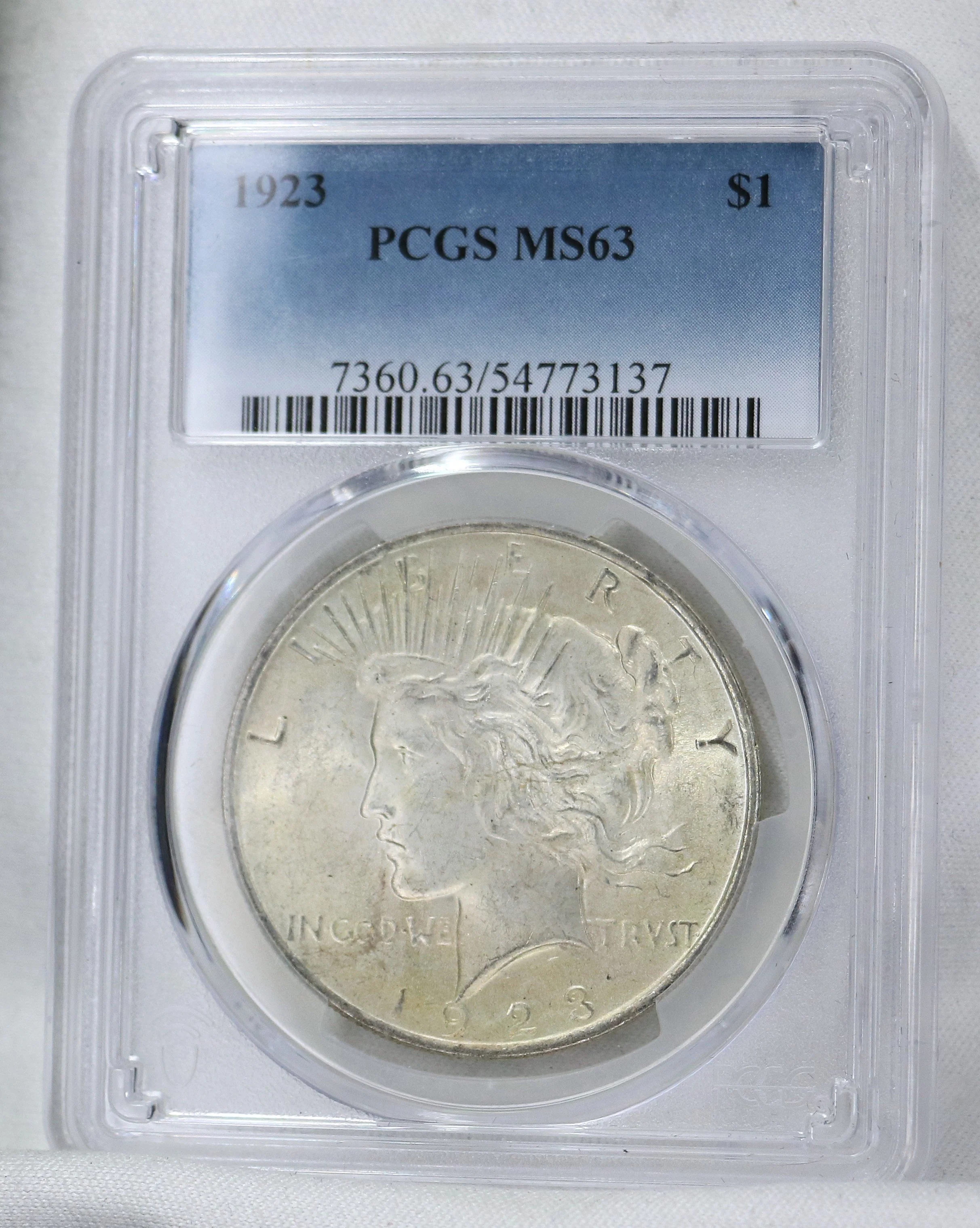
This coin is a 1923 Philadelphia minted Peace Dollar in Mint State 63.
PCGS Certified MS63.
To commemorate the end of World War I and honor world peace, the United States created the first Peace Dollar in late December 1921. This Silver Peace Dollar was produced intermittently from 1921 to 1928 and again in 1934 and 1935 at three United States Mint facilities in Denver, San Francisco, and Philadelphia. The mint marks on the Peace Dollar can be found on the reverse side of the coin, below the word ONE.
Designed by Anthony De Francisci in early 1921, a modern Art Deco Liberty Head with a crown of rays was depicted on the Obverse and a bold, majestic eagle at rest on a high mountain top, clutching the laurel wreath of Peach in his talons, on the reverse.

The Silver Buffalo is a Silver bullion round designed after James Earle Fraser's renowned Indian Head and Buffalo Nickel series. The Silver Buffalo's reverse design features an American buffalo, which is modeled after Black Diamond – the New York Central Park Zoo's resident buffalo in the early 20th century. This image was originally sketched by James Earle Fraser while visiting the zoo, and the sketch later served as the basis for Fraser's final design.
James Earle Fraser's Indian Head Nickel design is regarded among the best designs of any U.S. coin. This round boasts the famous design with a listed .999 purity. The silver round is among one of the most popular ways to invest in Silver. 1 oz silver rounds can be an ideal way to purchase silver at a great price point for any investor, and the size allows for anything from an entry level investment to a bulk investment.
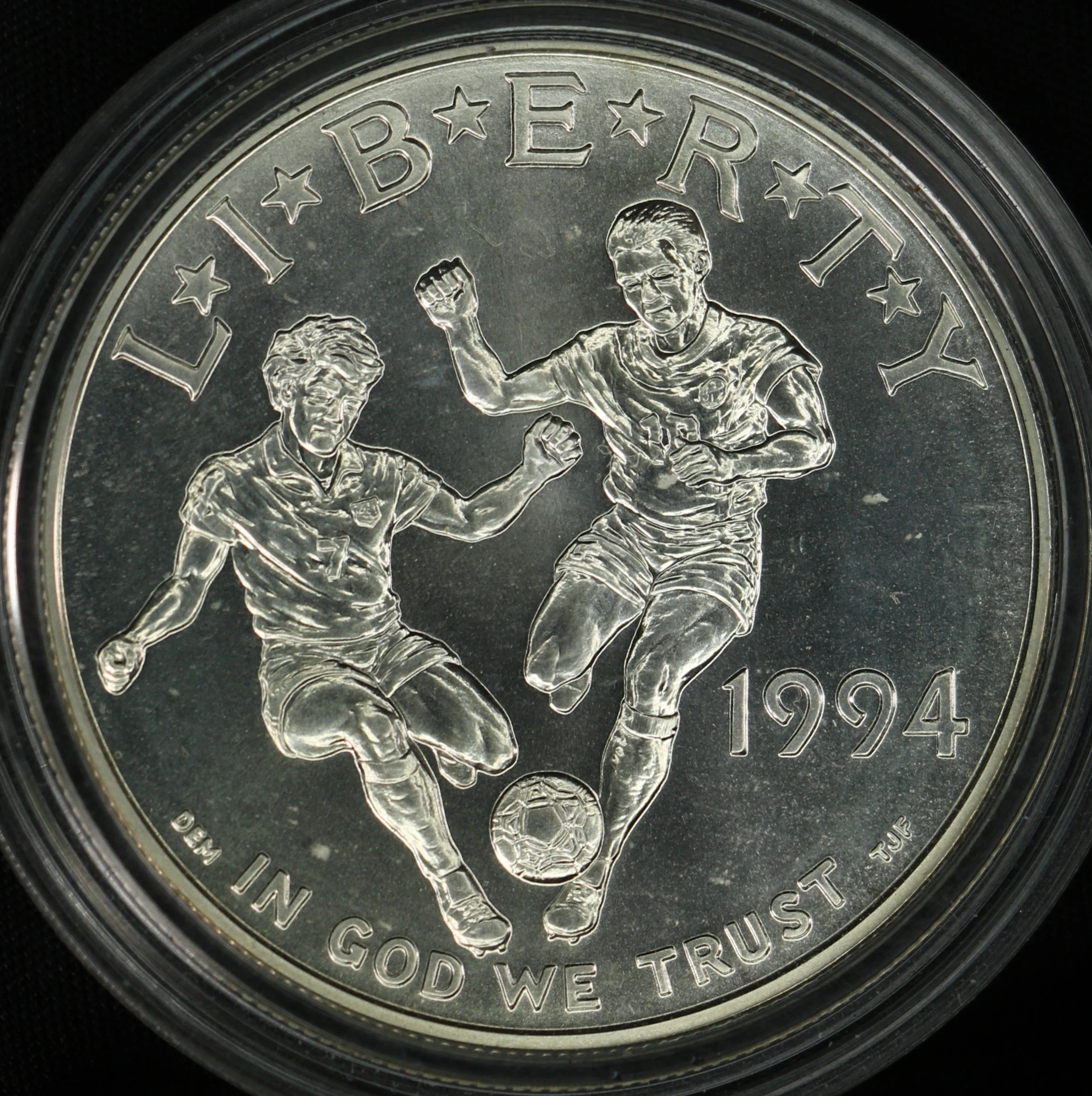
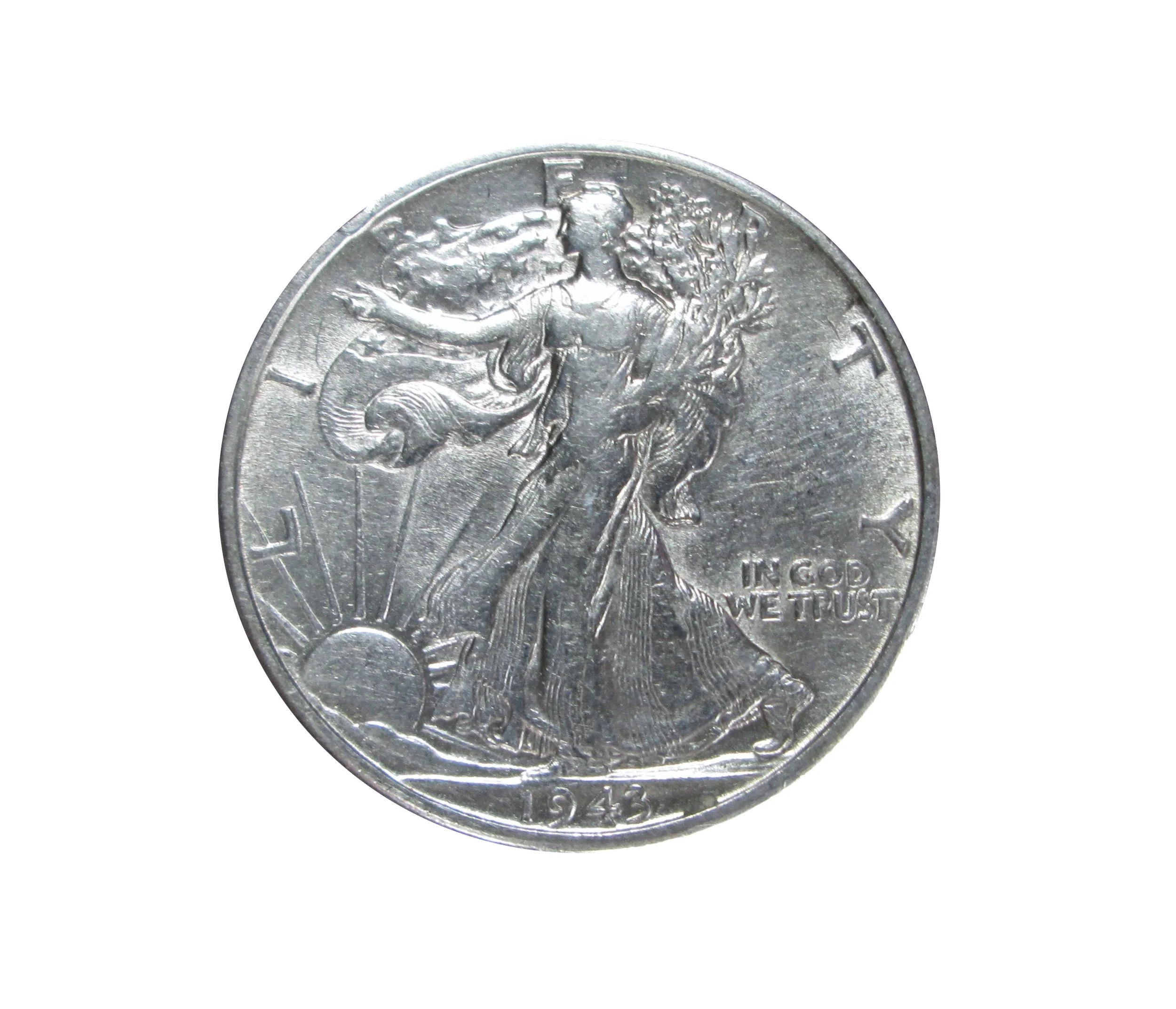
Struck in 90% fine silver at the Philadelphia Mint. Walking Liberty Half Dollars are arguably the most sought-after U.S. coin ever minted. This coin's design has continued today in the American Silver Eagles. The public genuinely appreciates the beauty and artistry of the design!
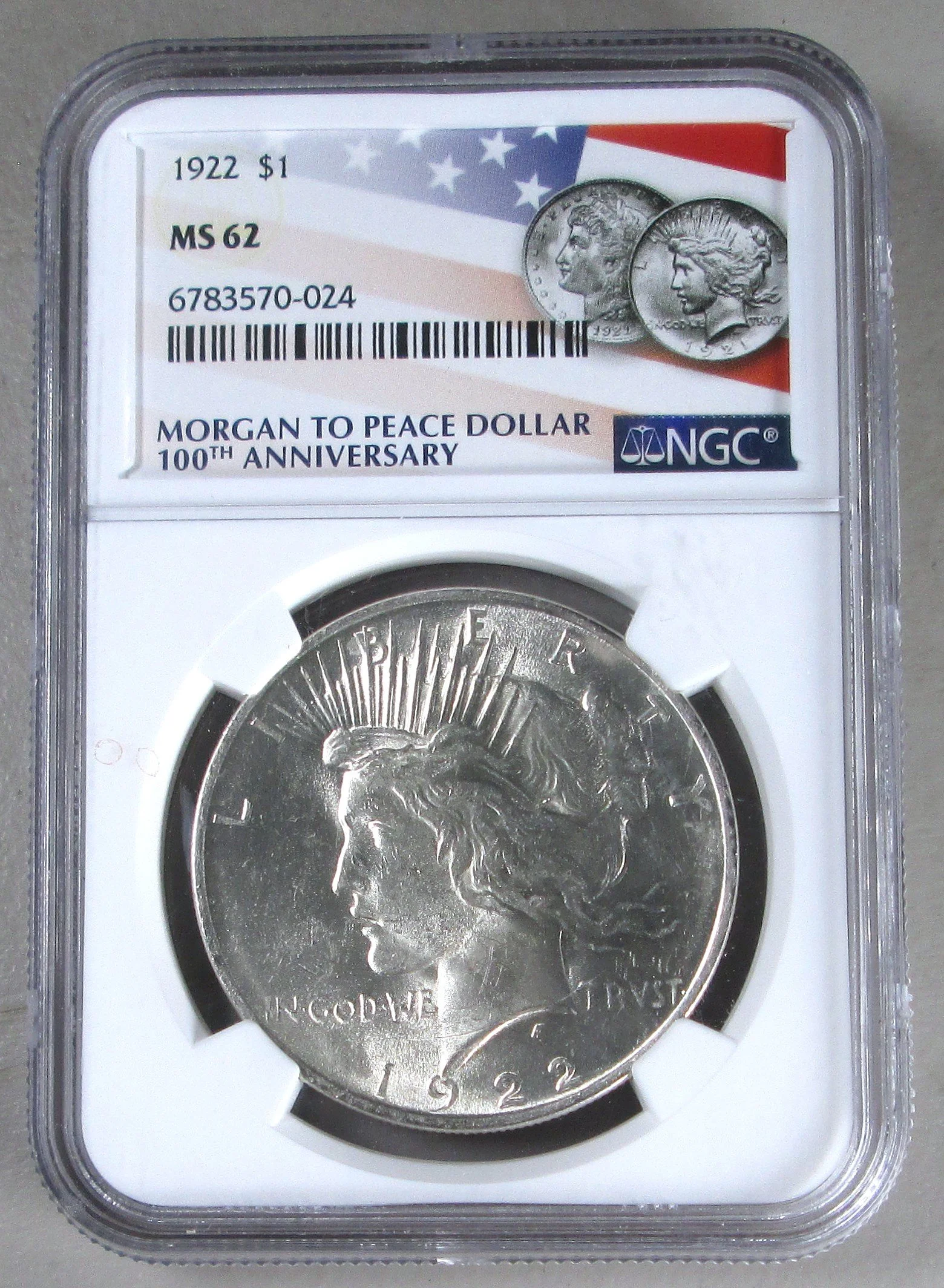
This coin is a 1922 Philadelphia minted Peace Dollar in Mint State 62.
NGC Certified MS62.
To commemorate the end of World War I and honor world peace, the United States created the first Peace Dollar in late December 1921. This Silver Peace Dollar was produced intermittently from 1921 to 1928 and again in 1934 and 1935 at three United States Mint facilities in Denver, San Francisco, and Philadelphia. The mint marks on the Peace Dollar can be found on the reverse side of the coin, below the word ONE.
Designed by Anthony De Francisci in early 1921, a modern Art Deco Liberty Head with a crown of rays was depicted on the Obverse and a bold, majestic eagle at rest on a high mountain top, clutching the laurel wreath of Peach in his talons, on the reverse.
SOLD
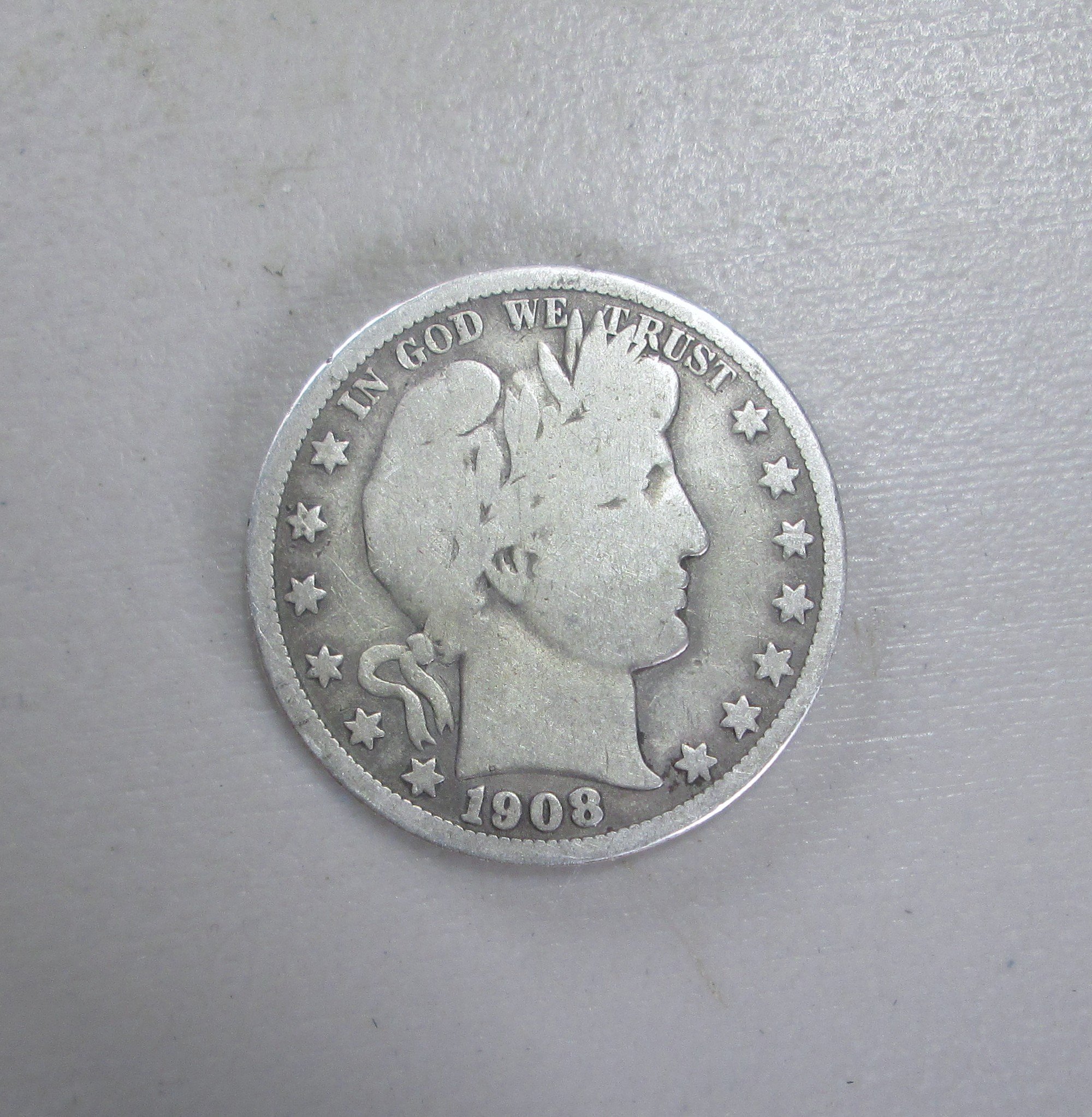
The Barber coinage includes the dime, quarter, and half dollar and was designed by US Bureau of the Mint Chief Engraver Charles E. Barber. They were minted between 1892 and 1916, though no half dollars were struck in the final year of the series (no 1916).
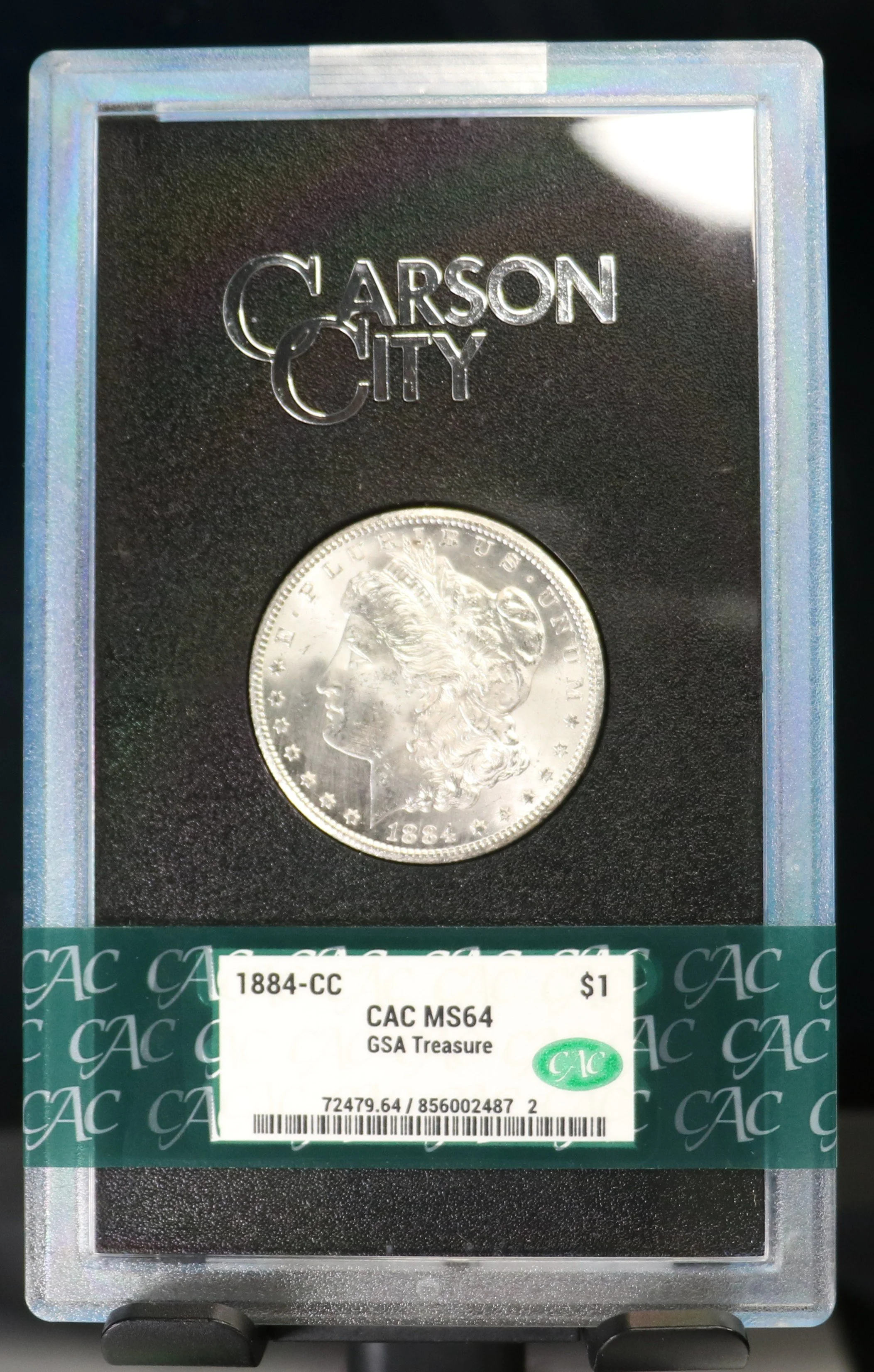
This is a 1884 Carson City mint, Morgan dollar. Graded by CACG at MS62
Minted from 1878 to 1904, then again in 1921, before retiring as America’s most popular coin. Morgan Dollars are called the “King of America’s Coins” for a good reason: they helped the United States grow the western frontier and fueled the engines of American industrialization. During the late 19th Century, the Morgan Dollar became a rallying point in politics between the Eastern Bankers, known as the “Goldbugs,” and the Western Silver Mining interests, dubbed the “Silverites.” They contributed to one of America’s major economic depressions, the Panic of 1893, and became a major political platform in the 1896 and 1900 Presidential elections. The “Gold” or Silver” bimetallism debate over the monetary standard gave the politicians much to argue about.
GSA Morgan dollars are uncirculated Morgan silver dollars discovered in U.S. Treasury vaults and sold to the public by the General Services Administration (GSA) between 1972 and 1980. The vast majority of these coins originated from the Carson City Mint (CC), with approximately 2.9 million pieces released, creating the largest known hoard of Carson City silver dollars.
These coins are distinguished by their original packaging: rigid black plastic holders labeled "Carson City Uncirculated Silver Dollar," often accompanied by a Certificate of Authenticity (COA) and a black presentation box. While most were sold in uncirculated condition, some circulated examples and non-CC dates (such as New Orleans issues) were also included in the sales.
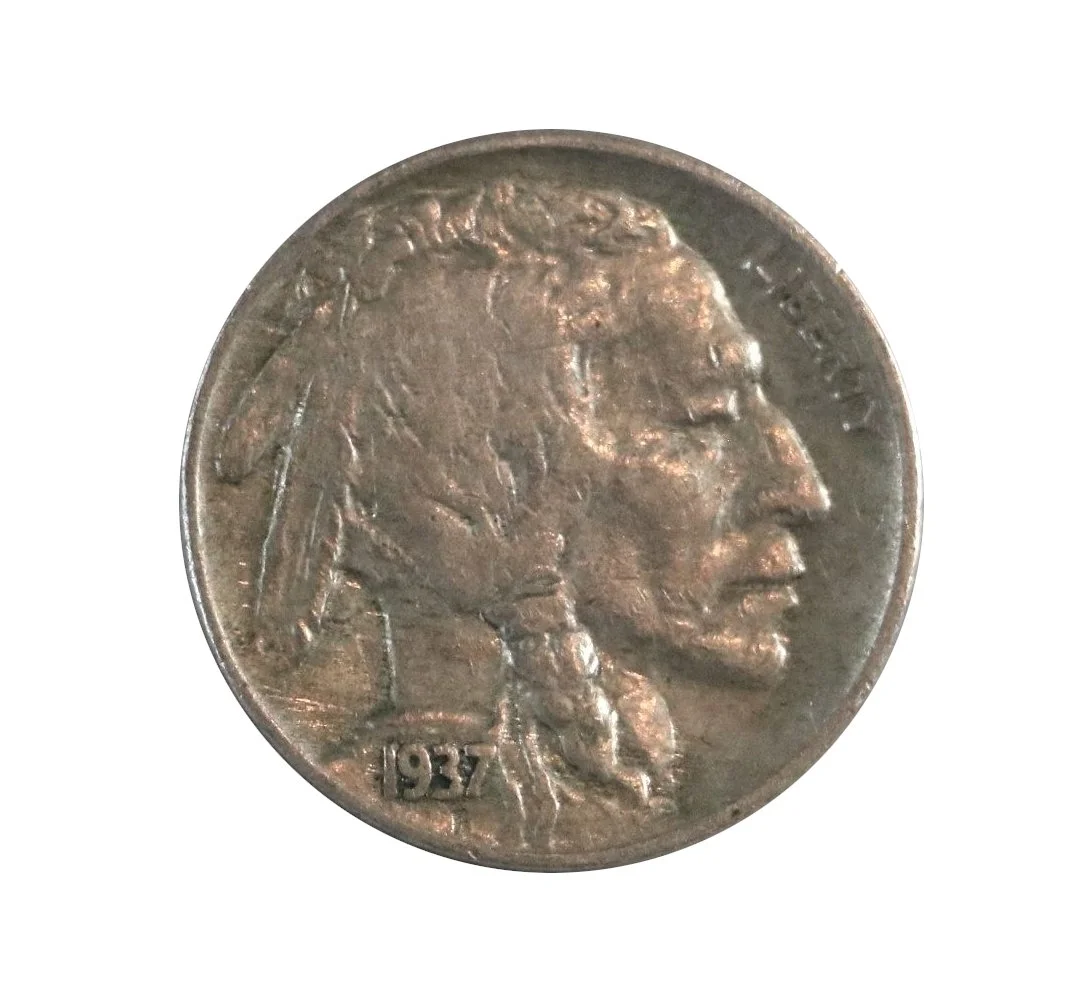
The Buffalo Nickel (sometimes called the Indian Head Nickel) is a U.S. five-cent coin designed by sculptor James Earle Fraser in 1912. It was part of the Mint’s campaign to beautify American coinage. It featured a realistic portrait of a Native American on one side and an image of a buffalo on the other. It was produced at the Philadelphia, Denver, and San Francisco Mints from 1913 to 1938.
Submitted by James Earle Fraser, a sculptor who had worked as an assistant to Saint Gaudens. Fraser’s designs had originally been for a one-cent piece. However, with Andrew’s support (and the support of the next Mint Director, George Roberts), the design was adapted in 1912 to a five-cent coin that became the Buffalo Nickel.
The first Buffalo Nickels were struck on February 22, 1913. They were unofficially introduced into limited circulation at the groundbreaking ceremony for the National American Indian Memorial in Staten Island, New York. Forty new nickels were sent to the ceremony to be distributed by President Taft to the attending Native American chiefs. (Despite the groundbreaking ceremony, the National American Indian Memorial was never built.)
SOLD
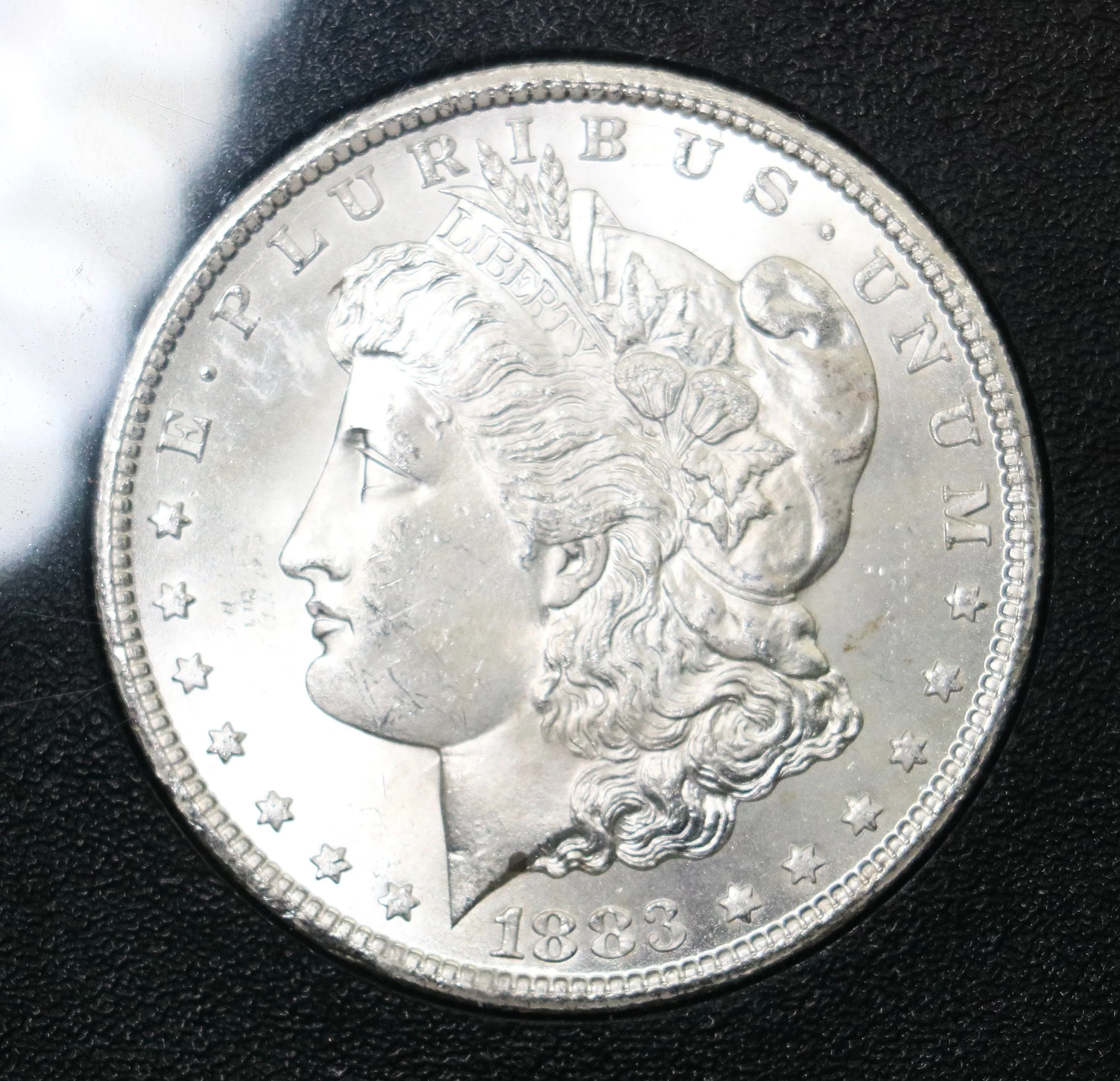
This is a 1883 Carson City mint, Morgan dollar. Graded by CACG at MS63
Minted from 1878 to 1904, then again in 1921, before retiring as America’s most popular coin. Morgan Dollars are called the “King of America’s Coins” for a good reason: they helped the United States grow the western frontier and fueled the engines of American industrialization. During the late 19th Century, the Morgan Dollar became a rallying point in politics between the Eastern Bankers, known as the “Goldbugs,” and the Western Silver Mining interests, dubbed the “Silverites.” They contributed to one of America’s major economic depressions, the Panic of 1893, and became a major political platform in the 1896 and 1900 Presidential elections. The “Gold” or Silver” bimetallism debate over the monetary standard gave the politicians much to argue about.
GSA Morgan dollars are uncirculated Morgan silver dollars discovered in U.S. Treasury vaults and sold to the public by the General Services Administration (GSA) between 1972 and 1980. The vast majority of these coins originated from the Carson City Mint (CC), with approximately 2.9 million pieces released, creating the largest known hoard of Carson City silver dollars.
These coins are distinguished by their original packaging: rigid black plastic holders labeled "Carson City Uncirculated Silver Dollar," often accompanied by a Certificate of Authenticity (COA) and a black presentation box. While most were sold in uncirculated condition, some circulated examples and non-CC dates (such as New Orleans issues) were also included in the sales.
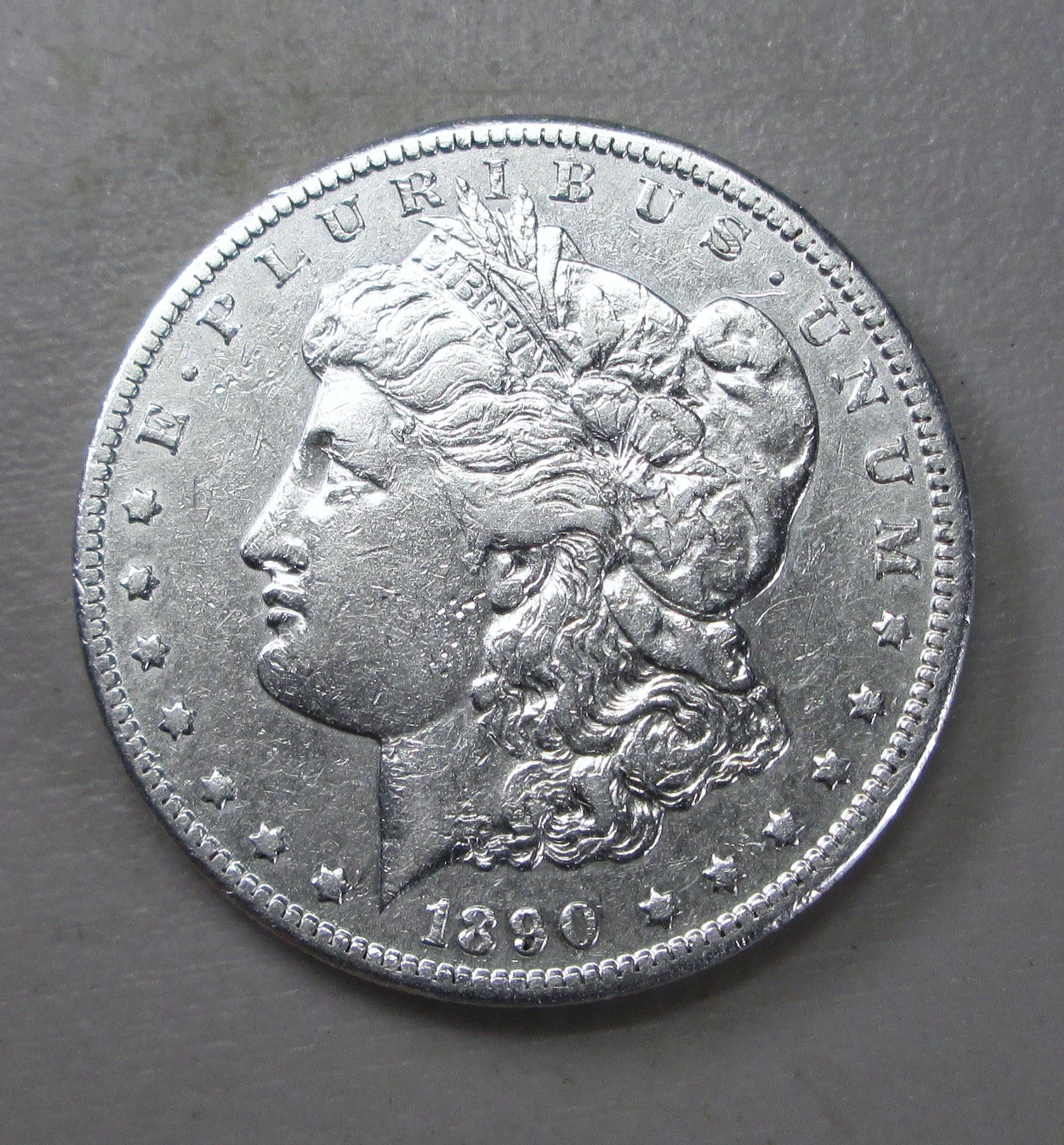
This is a 1890 Carson City mint, Morgan dollar. It is Almost Uncirculated condition.
Minted from 1878 to 1904, then again in 1921, before retiring as America’s most popular coin. Morgan Dollars are called the “King of America’s Coins” for a good reason: they helped the United States grow the western frontier and fueled the engines of American industrialization. During the late 19th Century, the Morgan Dollar became a rallying point in politics between the Eastern Bankers, known as the “Goldbugs,” and the Western Silver Mining interests, dubbed the “Silverites.” They contributed to one of America’s major economic depressions, the Panic of 1893, and became a major political platform in the 1896 and 1900 Presidential elections. The “Gold” or Silver” bimetallism debate over the monetary standard gave the politicians much to argue about.
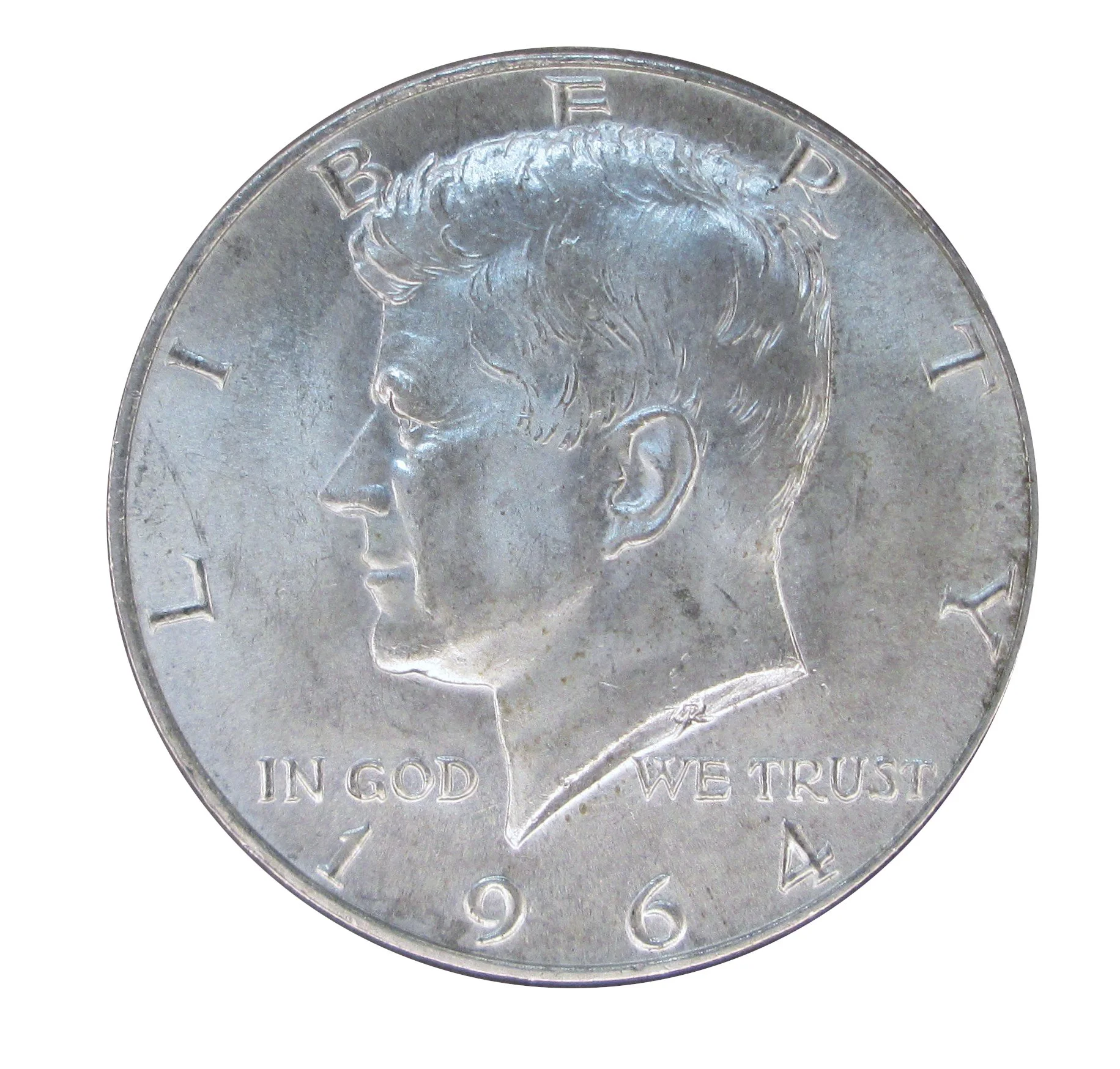
This is a 1964 Philadelphia Mint Kennedy Half Dollar. It is in Uncirculated Condition and has a nice luster.
This is a 1883 Carson City mint, Morgan dollar. Graded by CACG at MS64
Minted from 1878 to 1904, then again in 1921, before retiring as America’s most popular coin. Morgan Dollars are called the “King of America’s Coins” for a good reason: they helped the United States grow the western frontier and fueled the engines of American industrialization. During the late 19th Century, the Morgan Dollar became a rallying point in politics between the Eastern Bankers, known as the “Goldbugs,” and the Western Silver Mining interests, dubbed the “Silverites.” They contributed to one of America’s major economic depressions, the Panic of 1893, and became a major political platform in the 1896 and 1900 Presidential elections. The “Gold” or Silver” bimetallism debate over the monetary standard gave the politicians much to argue about.
GSA Morgan dollars are uncirculated Morgan silver dollars discovered in U.S. Treasury vaults and sold to the public by the General Services Administration (GSA) between 1972 and 1980. The vast majority of these coins originated from the Carson City Mint (CC), with approximately 2.9 million pieces released, creating the largest known hoard of Carson City silver dollars.
These coins are distinguished by their original packaging: rigid black plastic holders labeled "Carson City Uncirculated Silver Dollar," often accompanied by a Certificate of Authenticity (COA) and a black presentation box. While most were sold in uncirculated condition, some circulated examples and non-CC dates (such as New Orleans issues) were also included in the sales.
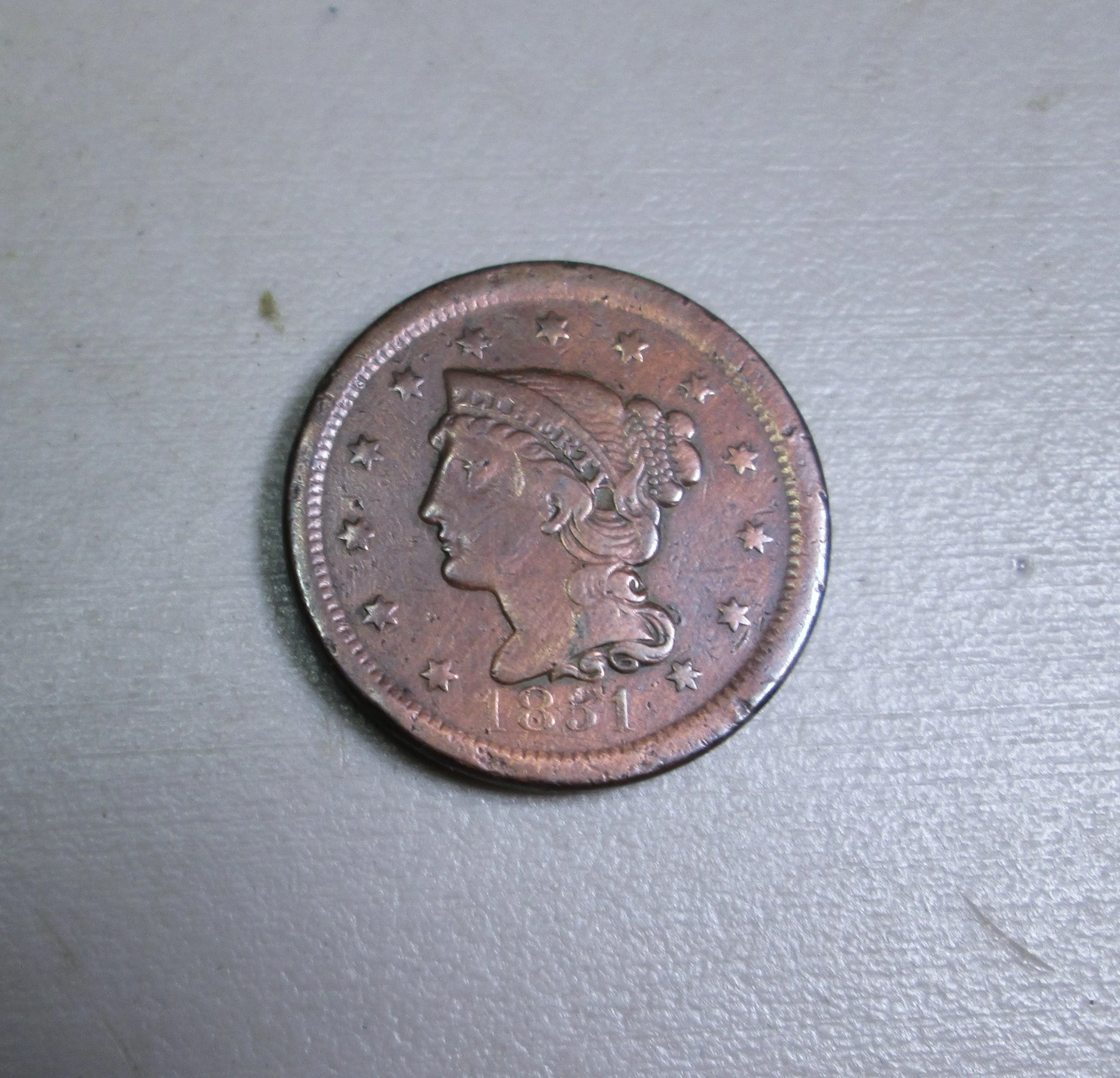
The final large-cent design began in late 1839 as a continuation of designer Christian Gobrecht’s refinements. After a number of adjustments to Liberty’s head through the late 1830s, the final “Petite Head with Braided Hair” design was temporarily set and used for the next four years. In late 1843, an added refinement was made to the features, resulting in the “Mature Head with Braided Hair” design. This design remained through the end of large-cent production. Production through this period was generous and peaked at almost 10 million minted in 1851. Only the last year, 1857, had a mintage below 1 Million (333,546). This design was replaced was a new, smaller coin of copper/nickel composition - the Flying Eagle cent.
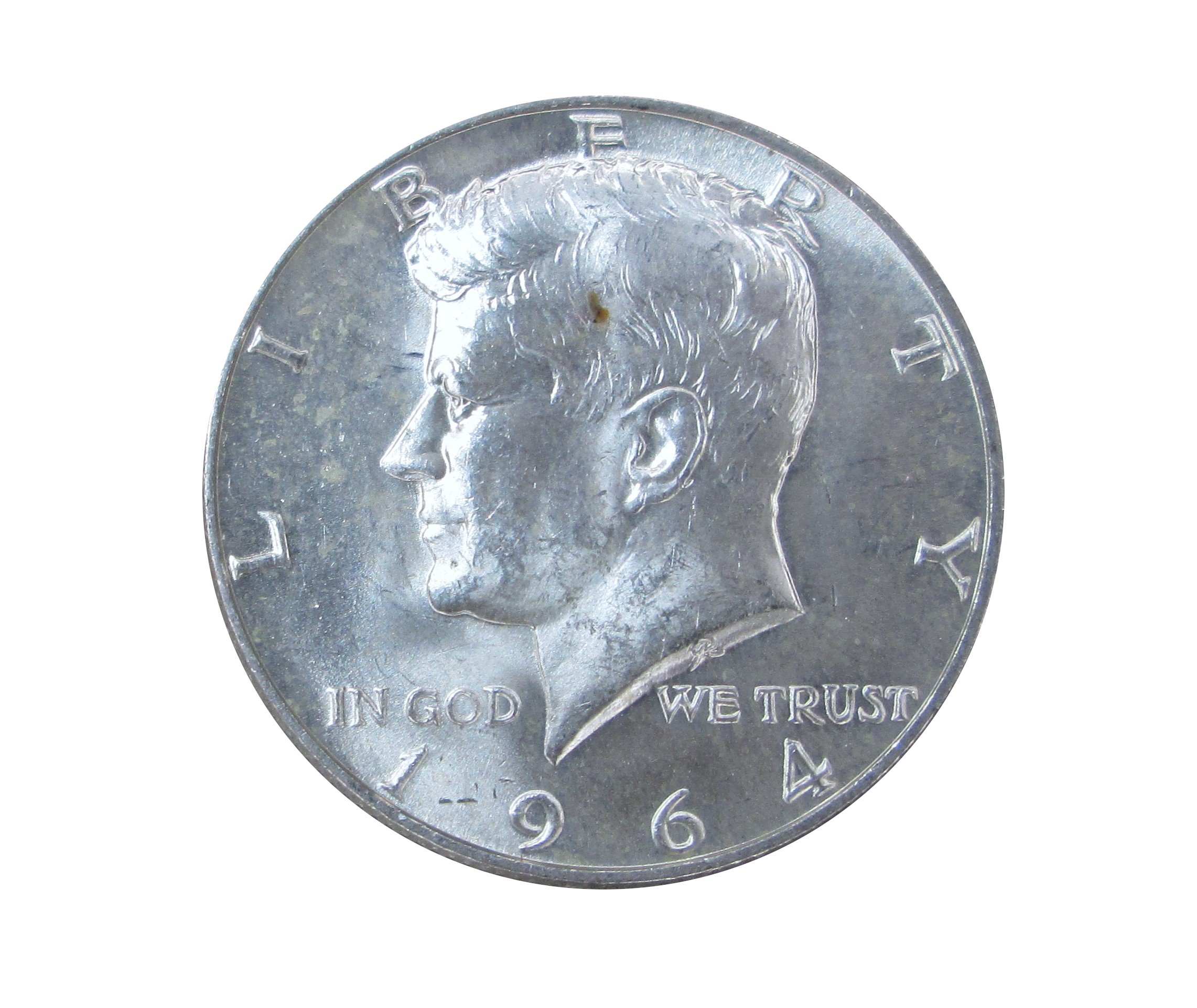
This is a 1964 Denver Mint Kennedy Half Dollar. It is in Uncirculated Condition and has a nice luster.
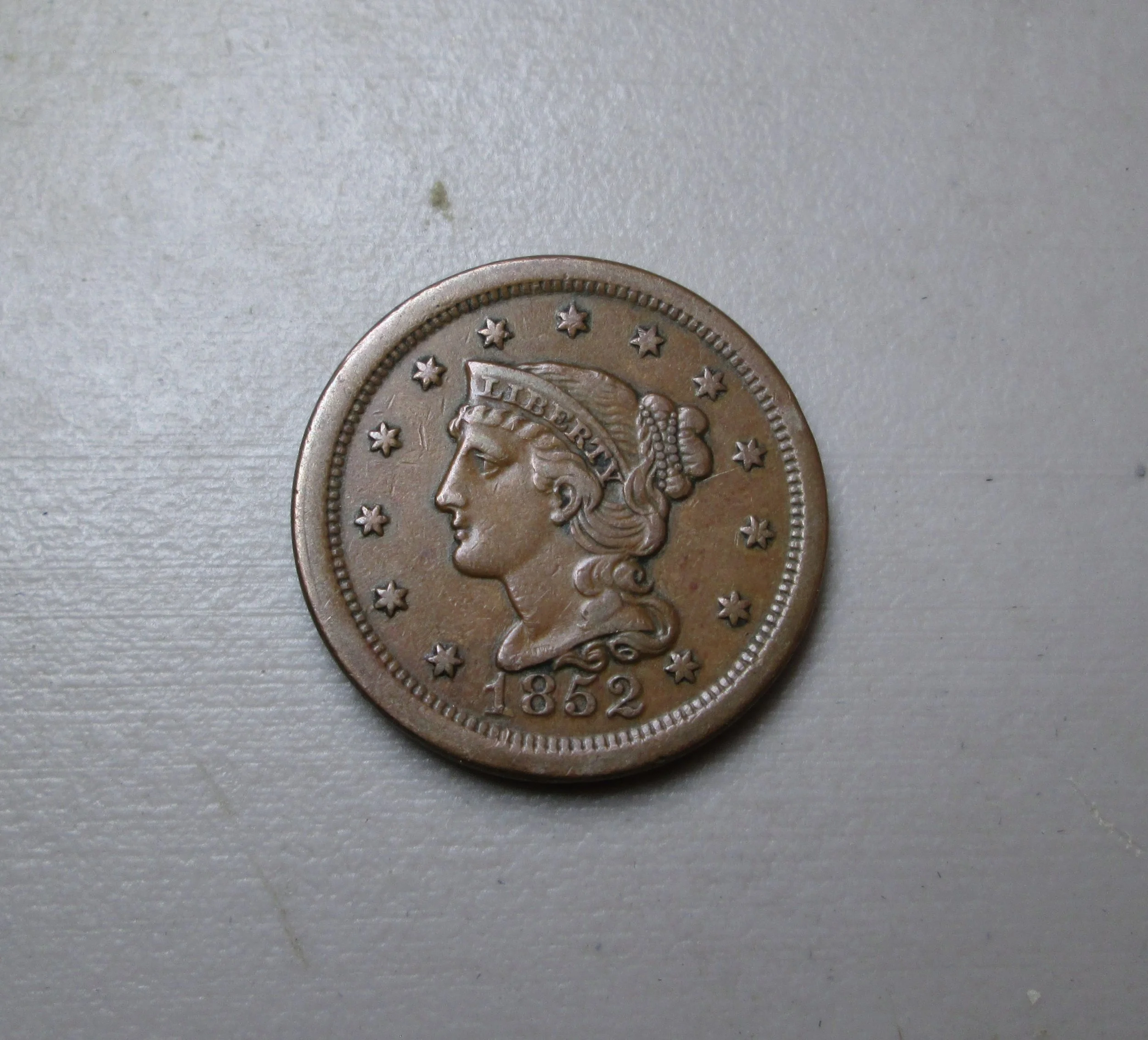
The final large-cent design began in late 1839 as a continuation of designer Christian Gobrecht’s refinements. After a number of adjustments to Liberty’s head through the late 1830s, the final “Petite Head with Braided Hair” design was temporarily set and used for the next four years. In late 1843, an added refinement was made to the features, resulting in the “Mature Head with Braided Hair” design. This design remained through the end of large-cent production. Production through this period was generous and peaked at almost 10 million minted in 1851. Only the last year, 1857, had a mintage below 1 Million (333,546). This design was replaced was a new, smaller coin of copper/nickel composition - the Flying Eagle cent.